Limited Early Bird Tickets 50% Off

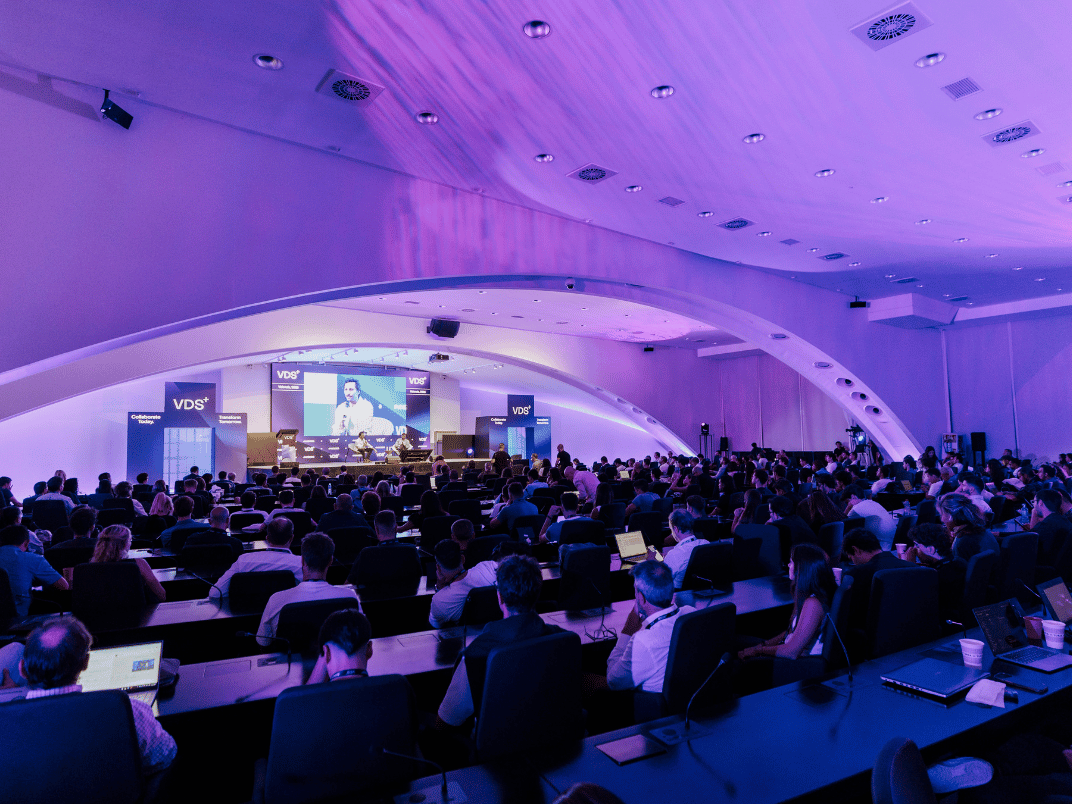
The last edition of VDS brought together global voices exploring not only the technologies shaping the future, but also the leadership models, organisational cultures and decision making systems that will define who gets to build that future.

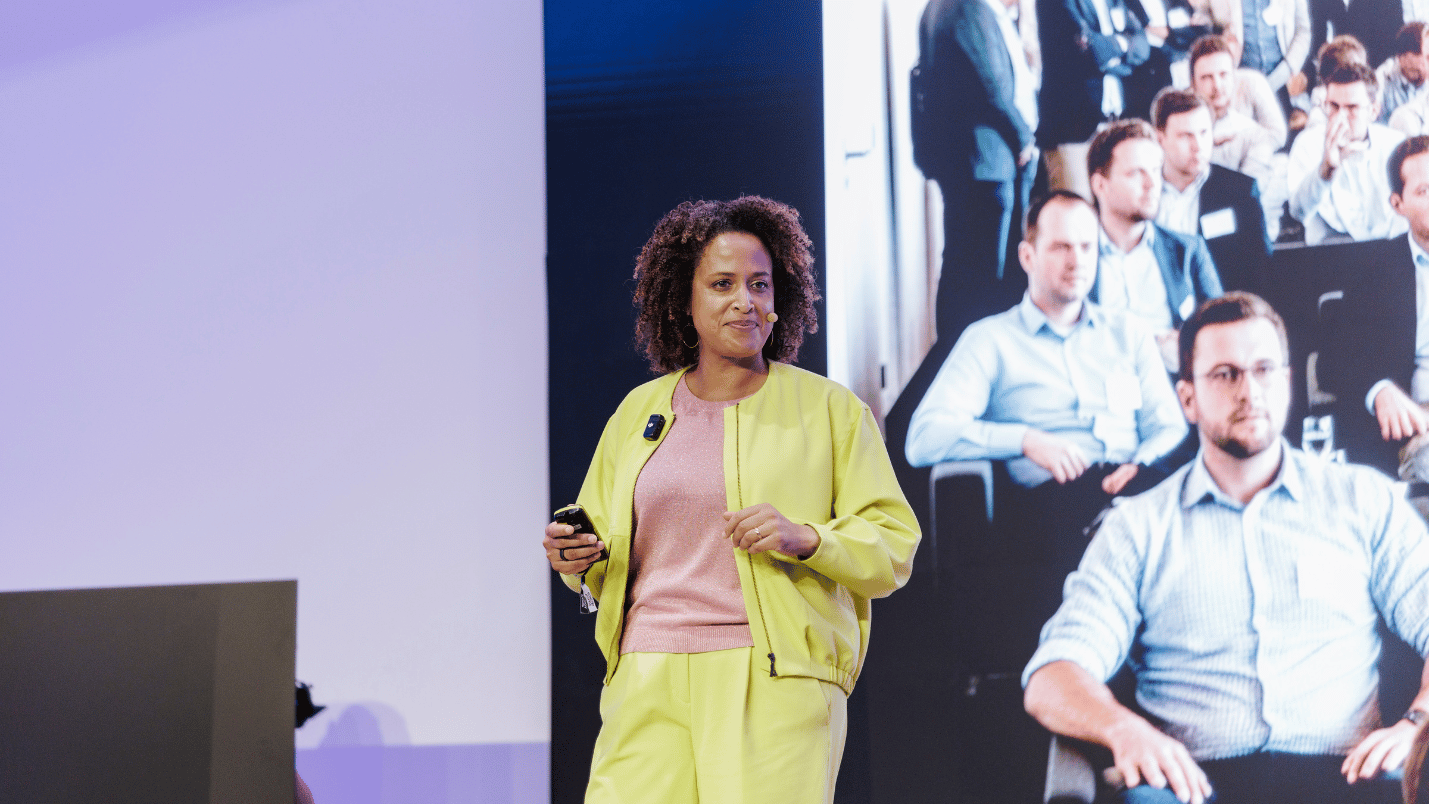
In this context, Ingrid Tappin, author of Exceptionals and Founder and CEO of Diverse Leaders in Tech, shared a powerful reflection on leadership, diversity and identity in the technology ecosystem.

Her message invited the audience to rethink one of the most persistent assumptions in business and technology: that success belongs to those who fit a predefined model of leadership.

At the heart of the conversation was a question many professionals have experienced at some point in their careers: what happens when you feel like “the exception” in the room?


Rethinking who gets to lead

The session opened a broader reflection on how leadership spaces are still shaped by patterns of power, visibility and access. Across politics, business and technology, decision making environments often tend to reproduce familiar profiles, familiar behaviours and familiar definitions of success.

This does not only influence who reaches positions of influence. It also affects how organisations identify talent, potential and credibility.

The idea that emerged from Tappin’s intervention was clear: the challenge is not a lack of exceptional people. The challenge is that many systems still rely on narrow definitions of what excellence and leadership should look like.

For the technology ecosystem, this question is especially relevant. In an industry built around disruption, too many organisations still measure leadership through conventional frameworks.


The limits of culture fit

One of the central ideas of the conversation was the need to question the concept of “culture fit”, a term widely used across startups, corporates and scaleups.

When companies look for people who fit perfectly into the existing culture, they may believe they are protecting alignment. But that same approach can also reinforce repetition.

It can lead to teams that think in similar ways, make similar decisions and hire similar profiles. Instead of expanding the organisation’s ability to understand new realities, culture fit can become a mechanism that protects what is already familiar.

In a fast changing technological environment, this creates a strategic risk. Companies that only reward what they already recognise may miss the perspectives that allow them to identify blind spots, challenge assumptions and build better solutions.


Why this matters in the age of AI

The reflection becomes even more relevant in a moment defined by artificial intelligence.

AI systems are built on data, patterns and existing structures. If organisations continue to design teams and cultures around those same familiar patterns, they risk amplifying existing biases instead of creating space for new possibilities.

This is not only an ethical challenge. It is also a question of innovation.

The future of technology will require teams capable of asking different questions, understanding different users and imagining solutions beyond what has already been validated by the past.

In that context, difference becomes more than a value. It becomes a competitive advantage.


From identity to strategic value

Tappin’s work is closely connected to the idea of Identity Intelligence, a framework that invites leaders to understand how their background, personal experience and perspective can become a source of value.

The conversation at VDS explored how the parts of a person’s identity that may have once made them feel different can also become a source of insight, resilience and leadership.

Rather than hiding those differences to adapt to a traditional corporate mould, leaders and organisations can learn to use them as a way to build new models of innovation.

This changes the way diversity is understood. It is not only about representation. It is about recognising different forms of intelligence and allowing them to influence strategy, culture, product development and decision making.


Building cultures that can scale difference

For the technology ecosystem, the challenge is no longer simply to attract diverse talent. The real opportunity is to create cultures capable of recognising, developing and scaling difference.

That means moving beyond symbolic diversity and building environments where people are not expected to leave part of their identity outside the room in order to succeed.

It also means understanding that the people who have often been seen as exceptions may be precisely the ones best positioned to identify new opportunities, question outdated systems and lead the next cycle of innovation.

At VDS, Ingrid Tappin’s conversation became a reminder that the future will not be built by repeating the same leadership patterns. It will be shaped by organisations capable of turning identity, difference and lived experience into a new source of strategic advantage.

To explore more conversations and insights from the global innovation ecosystem, check VDS News.


Share
Ángela Pérez

Marketing Manager at Startup Valencia & VDS


Become a sponsor or exhibitor

Connect with the global tech ecosystem, increase your visibility, and generate high-value leads through curated meetings with partners, clients and decision-makers.

GET INVOLVED

Become a sponsor or exhibitor

Connect with the international tech ecosystem, increase your visibility and grow your business by meeting new partners, clients and hundreds of potential prospects.

Chat icon