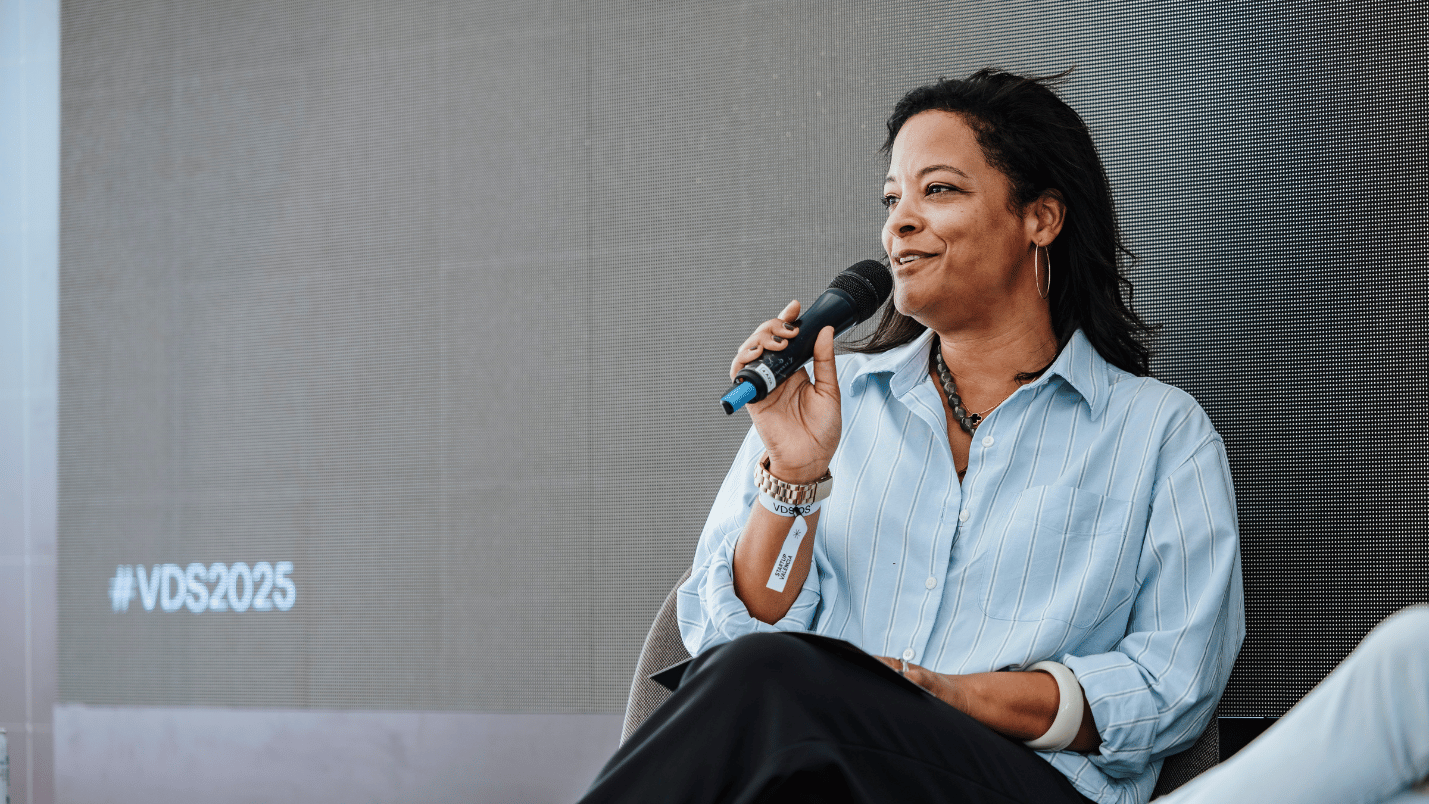
In a world where tech moves faster than policy and where teams span continents and cultures, effective leadership isn’t just about vision—it’s about inclusion, empathy and a deep human connection. At VDS 2025, Gwen Kolader, Global Head of People & Culture at Hexaware Technologies, delivered a powerful talk on inclusive leadership in international environments, offering a roadmap for building teams that don’t just perform—but thrive.
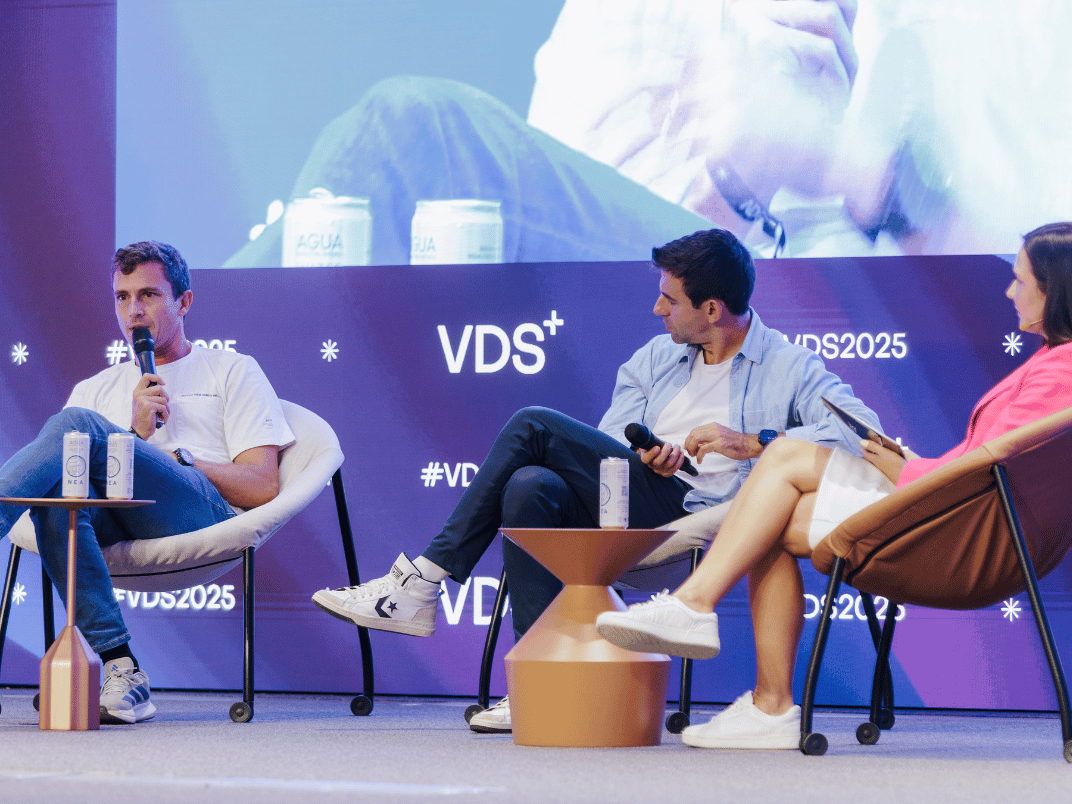
On the Santander Stage at Valencia’s City of Arts and Sciences, more than a thousand attendees expected typical leadership talk. What they received was richer—a nuanced exploration of how cultural fluency and psychological safety and human-first practices become competitive advantages in the 21st-century organisation.
Bridging Cultures Without Losing Identity
Gwen Kolader opened by emphasising that global leadership isn’t simply replicating one model across markets. “When your team is in 30 countries, your culture isn’t remote—it’s real time, visible, and alive,” she noted. The insight landed with particular resonance for founders, innovators and corporates dealing with distributed workforces and hybrid models.
She challenged the assumption that a strong culture means uniformity. Instead she argued for cultural adaptability—recognising and embracing differences while aligning around shared purpose. The result: a team that feels seen and connected, even when they’ve never met in person. Attendees working in scale-ups and international teams nodded in agreement.
Psychological Safety and the Innovation Engine
Kolader didn’t shy away from head-on truths: innovation never happens when people are silenced, fearful or excluded. “Psychological safety is not a nice-to-have—it is the oxygen of high performing teams,” she said. That single line drew applause.
She illustrated the point with an anecdote from a global “go-live” where a local team flagging a potential flaw was ignored. The cost? Days of downtime, reputational damage and demoralised staff. The lesson: systems and process matter, but voice and trust matter more. For startup founders and tech leaders, the takeaway was clear: listening and creating space for dissent becomes a product and people strategy.
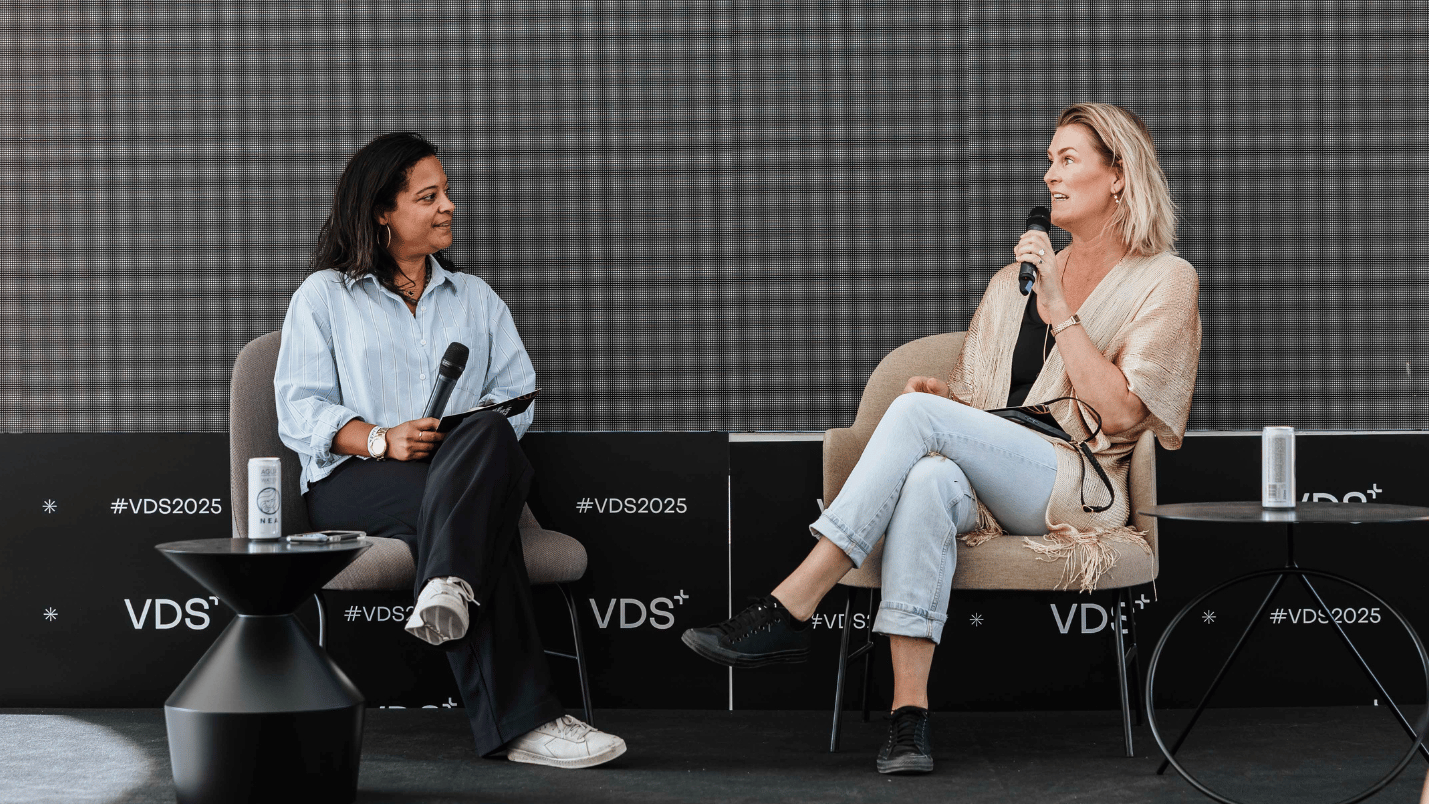
Leadership That Enables, Not Controls
Drawing on her experience leading teams through digital transformation, Kolader described leadership as scaffolding rather than spokesmanship. “Your role isn’t to be the loudest voice in the room—it’s to enable the voices in the room,” she said. For distributed teams, this means designing contexts for connection, not just running check-ins.
She offered three practical shifts:
– Swap “command and control” for “connect and enable”.
– Design workflows with empathy and equity built in.
– Make collaboration meaningful—they should feel like they belong and matter.
These resonated strongly with tech executives scaling internationally, where the real bottleneck is often culture, not code.
The Business Case for Inclusion
Kolader then moved into the business imperatives of inclusive leadership. It isn’t about “doing the right thing” alone, but “doing the different thing that makes you better”. She referenced research showing that inclusive organisations are more innovative, more agile and more resilient. The message: culture is strategy.
She said: “If your diversity stops at hiring, your inclusion ends at handshake.” Culture must be lived—through decision-making, reward systems, leadership practices. Anyone building tech products, platforms or services internationally will recognise the risk when teams operate in silos, contexts or time-zones without a unifying culture.
Leading with Purpose Beyond the Headlines
Kolader closed with a reflection on legacy: “In large organisations, the easiest role is to manage stability. The hardest is to enable change when the noise is loudest—and your people are quietest.” In the tech world of hype and short attention spans, this felt like a moment of clarity.
Her advice: Lead with your values, not just your KPIs. Measure belonging, not just output. Build environments where people can bring their full selves to work—not because the mission demands it, but because the culture allows it.
Why It Matters to the VDS 2025 Audience
For the innovation ecosystem gathered at Valencia—startups, scale-ups, corporates, investors—Kolader’s talk was more than HR speak. It was a leadership blueprint for global scale, remote work, hybrid models, boundaryless teams. She transferred insights typically reserved for Fortune 500 boards into startup-language: trust fuels velocity; culture expands capacity; inclusion supercharges innovation.
Conclusion
Gwen Kolader at VDS 2025 didn’t deliver a profile-raising keynote—she delivered a challenge. If you’re building globally, launching cross-border, or scaling teams across time-zones, then culture isn’t peripheral—it’s central. Inclusion isn’t a checkbox—it’s a strategic imperative. Leadership today is less about telling, more about creating contexts for others to lead. And when that happens, innovation becomes not just possible—but inevitable.

Become a sponsor or exhibitor
Connect with the global tech ecosystem, increase your visibility, and generate high-value leads through curated meetings with partners, clients and decision-makers.
Become a sponsor or exhibitor
Connect with the international tech ecosystem, increase your visibility and grow your business by meeting new partners, clients and hundreds of potential prospects.