Humanity has always dreamed of living longer, but in recent decades that desire has evolved: it’s no longer enough to add years to life, but to add life to those years. The real revolution lies in extending healthy life, prolonging physical and cognitive functionality for longer. This new frontier of well-being not only involves medical advances but also profound cultural, economic, and technological changes.
In this context, longevity is emerging as one of the most strategic themes of the future. From biotechnology laboratories to international economic forums, the interest in extending the human lifespan has ceased to be utopian to become a rapidly expanding industry. And surprisingly, Spain is at the center of this transformation.
Spain, at the Forefront of Longevity
Spain currently leads life expectancy in Europe, with regions such as Madrid surpassing 86 years, a figure notably above the continental average (El Confidencial). It is estimated that by 2025, the country’s average life expectancy will reach 84 years (European Institute), consolidating its position as a global benchmark in healthy aging.
This leadership is no coincidence. Pioneering projects such as RENACE, which analyzes the genetic, environmental, and social factors of centenarians, seek to unravel the secrets of extreme longevity (Cadena SER). At the same time, the Spanish Society of General Practitioners (SEMG) has launched a study with 2,000 centenarians to delve into these same keys (El País).
Science, Psychedelics, and Nutrition: A Cross-Disciplinary Approach
Longevity is now a multidisciplinary field of study. In the United States, researchers from Emory University are analyzing how psilocybin, a psychedelic compound, may slow brain aging. Meanwhile, recent studies suggest that omega-3 supplements can help slow cellular deterioration, opening new avenues for preventive anti-aging treatments (Business Insider).
At the same time, global forums such as the Global Wellness Summit 2025 and the Global Longevity Summit have made longevity one of the strategic pillars of well-being, attracting investors, startups, and venture capital funds that are betting on this emerging market.
Where Do People Live Longer and Better?
The so-called Blue Zones —such as Okinawa (Japan), Sardinia (Italy), or Nicoya (Costa Rica)— are home to some of the world’s longest-lived people. Their secret, according to The Times of India, is not futuristic technology but daily lifestyle habits: a plant-based diet, moderate daily exercise, strong social ties, and a clear sense of purpose.
This philosophy has been systematized by Dr. Valter Longo, an Italian biochemist who promotes a “longevity diet” based on intermittent fasting, adequate rest, and a plant-based diet. His goal is not just to live longer but to reach 120 functional years (Economic Times).
Also in the tech world, entrepreneur Bryan Johnson has focused on reversing aging through biotechnological solutions. He has now redirected his life to the “Don’t Die” movement, prioritizing personal longevity over business activity (Business Insider).
Are We Ready to Live Longer?
Longevity also poses a structural challenge. Dr. José Viña, an international reference in aging, warns that “we are losing useful brains” by wasting senior talent in a society that still links aging to retirement (Huffington Post). Meanwhile, economist José Antonio Herce proposes rethinking the retirement system to adapt it to a longer, more active life (SER Comunitat Valenciana).
The numbers support this transformation: people over 60 already represent 20% of global consumer spending, and their economic power is expected to increase by 50% by 2030. According to the Longevity Industry Journal, the global longevity market will exceed $33 trillion by 2025, with sectors such as preventive health, biotechnology, senior housing, insurance, and assistive technology leading the way.
One of the World’s Leading Longevity Experts
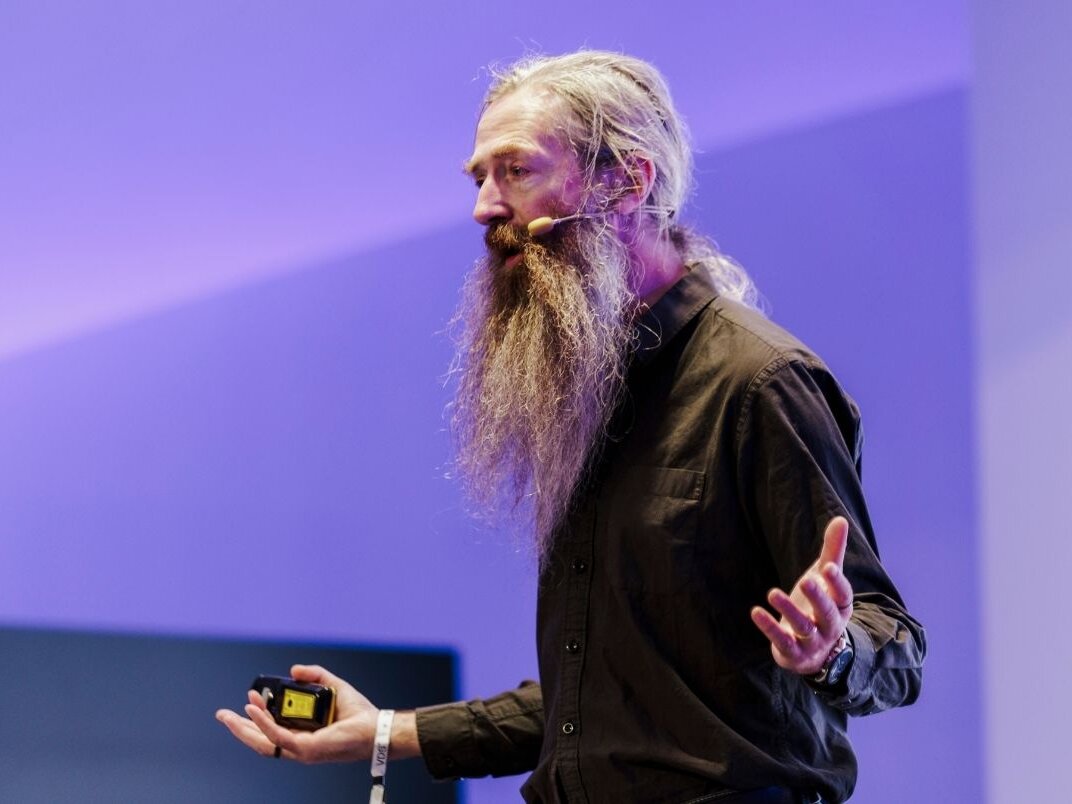
This year, at VDS 2025, we will have the participation of Aubrey de Grey, President and Chief Scientific Officer of the LEV Foundation, a legendary figure in gerontology. De Grey has argued for more than two decades that aging is a disease that can be treated, stopped… and even reversed.
Through his foundation, he works to finance and accelerate regenerative therapies that eliminate damaged cells, repair tissues, and extend the human healthspan. His presence in Valencia will be an exceptional opportunity to learn, discuss, and connect with one of the world’s leading figures in longevity.
Longevity as a Driver of Global Change
VDS 2025 will be a unique opportunity to explore how science, technology, and new social models are redefining the future of human longevity. With the participation of international leaders such as Aubrey de Grey and the momentum of pioneering global initiatives, Valencia will become the key stage for understanding the economic, social, and ethical implications of living longer—and better.
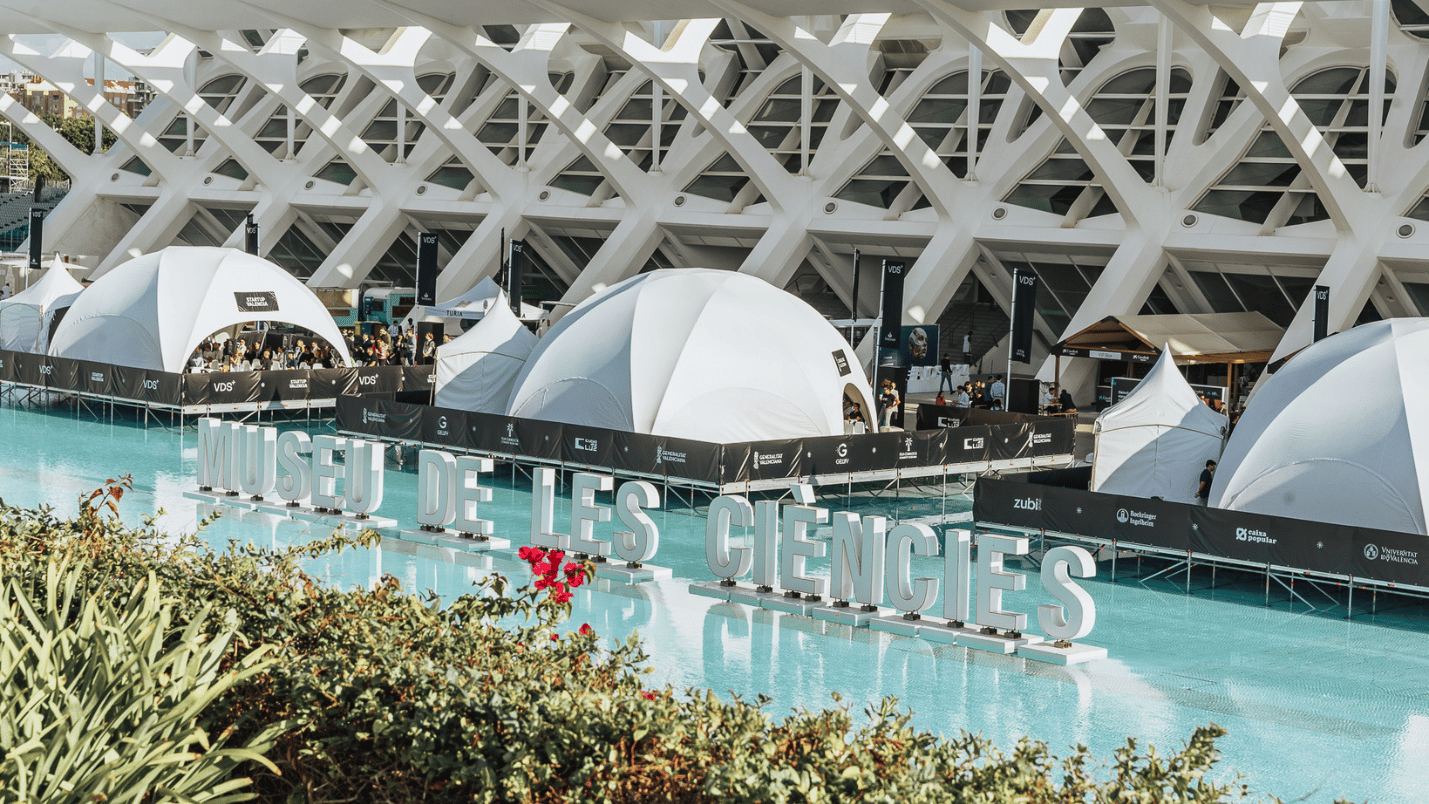
Beyond life extension, we are talking about expanding healthy life, a field where biotechnology, artificial intelligence, and emerging business models intertwine to generate economic and social impact. On October 22 and 23, the City of Arts and Sciences will be the epicenter of this disruptive conversation within VDS 2025, where innovation in longevity will be one of the main focuses
Become a sponsor or exhibitor
Connect with the international tech ecosystem, increase your visibility and grow your business by meeting new partners, clients and hundreds of potential prospects.
Become a sponsor or exhibitor
Connect with the international tech ecosystem, increase your visibility and grow your business by meeting new partners, clients and hundreds of potential prospects.