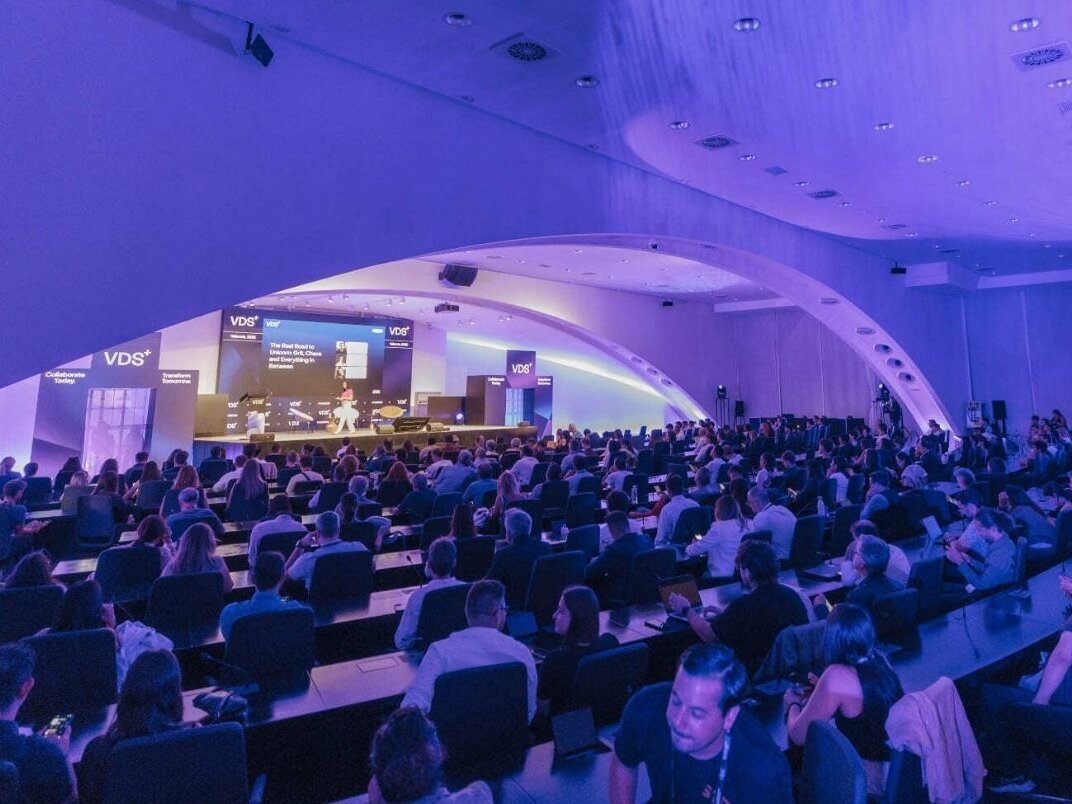
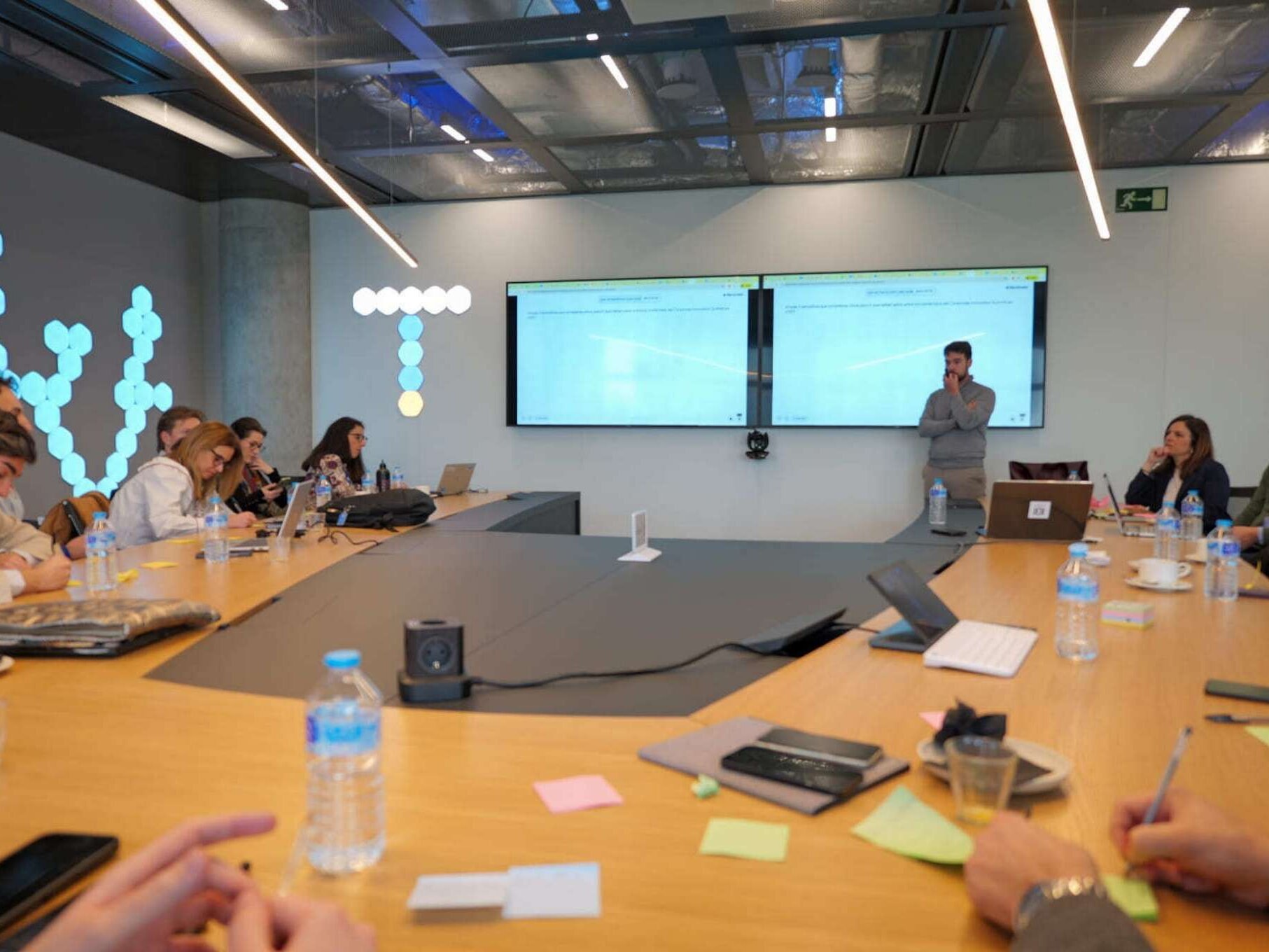
The future of work, driven by technology and globalization, is rapidly evolving. Technologies like Artificial Intelligence, along with practices like remote work, are reshaping the labor landscape, and businesses are realizing the need to adapt. This is why “The Future of Work” is a highlighted topic in the VDS2024 program, as it is a pressing issue that requires special attention.
Adapting to this swift transformation is one of the biggest challenges for organizations and employees. The future of work entails an informed vision of what businesses and other organizations need to understand about how work might change (given digitalization and other trends), as well as how workforces and workplaces can prepare for these changes, both large and small.
These changes are imminent, with some studies indicating that 20-25% of the workforce in advanced economies could work remotely between three to five days a week, representing four to five times more remote work than before the pandemic—a turning point that triggered major structural changes in how we work.
As a result, startups have been developing HR software designed to facilitate adaptation to flexible work models like remote work. Sesame HR is one such company, founded with the goal of offering a solution for employee time tracking. “Having a time-tracking system became essential after the approval of the Royal Decree-Law, and that’s how the idea to simplify this into an intuitive and easy-to-use platform was born,” they state.
However, there is some uncertainty about the impact that AI could have on the labor market, making the race to implement it one of the great challenges for the future of work. Digital consultancy McKinsey highlights in one of its studies that automation and AI application could increase demand for workers in high-skill sectors like healthcare, but in other economic activities related to office jobs, demand could be negatively affected.
“By 2030, in a scenario of moderate adoption, up to 30% of the hours currently worked could be automated, accelerated by generative AI (gen AI), leading to millions of necessary occupational transitions,” they state in one of their reports. Additionally, it is estimated that up to 12 million occupational transitions may be required in Europe alone. This implies that companies will need significant upgrades in their technological, social, and emotional capabilities.
In the case of Spain, Juan Ramón García, an economist at BBVA Research, notes that “Spain faces numerous challenges, as the Spanish labor market has not performed as well as our European counterparts.” Youth unemployment, a lack of training and skills, and an aging population are some of the major challenges that the future Spanish and European labor markets will face.
The future of work is changing rapidly, driven by trends like digitalization, automation, and the COVID-19 pandemic, which marked a point of no return. These changes will impact both labor demand and the skills required. Many workers are expected to change occupations by 2030, with an increase in jobs requiring high qualifications, while those with medium and low qualifications will decline.
Remote work and hybrid models will also persist, although not all jobs can be done remotely. Human Resources will need to transform to support these changes, prioritizing diversity, equity, and inclusion, always considering that today’s decisions will influence the economic and social outcomes of the future.
Related posts
Become a sponsor or exhibitor
Connect with the international tech ecosystem, increase your visibility and grow your business by meeting new partners, clients and hundreds of potential prospects.
Become a sponsor or exhibitor
Connect with the international tech ecosystem, increase your visibility and grow your business by meeting new partners, clients and hundreds of potential prospects.